
How Long Does a Roof Last in Nevada? A Complete Guide to Desert Roofing
Summary: Nevada’s extreme desert climate, including intense heat, UV exposure, high winds, and monsoon storms, significantly reduces roof lifespans compared to national averages, making material selection and maintenance critical. Different roofing materials have varying durability in Nevada, with asphalt shingles typically lasting 15–20 years, tile lasting 30–50+ years, and metal roofing reaching 40–70+ years when properly maintained. Regular inspections, proper attic ventilation, debris removal, and timely repairs can help homeowners extend roof life and avoid costly replacement caused by hidden weather damage.
When people ask, how long does a roof last in Nevada, the honest answer depends on the material. Most asphalt roofs give you 15 to 20 good years, whereas tile or metal can stretch well past 30 to 50. The catch? Relentless heat and harsh monsoon winds chew through materials fast, knocking roughly a fifth off the lifespan you’d get in milder states.
Mid-July in Nevada is no joke. You step outside, and that 110-degree wall of heat hits you instantly. While you stay cool inside with the AC blasting, the unseen toll on the roof above your head is brutal. Let’s be honest: homeowners here constantly stress about surprise monsoon leaks and the financial dread of a premature roof replacement.
National averages claim a standard roof easily lasts 30 years. But Nevada’s climate plays by a completely different set of rules. This breakdown lays down the hard truth about material lifespans in the desert, the real signs of weather damage, and exactly how to keep your home protected. Proactive knowledge stops unexpected failures. It protects your property value and preserves your peace of mind.
The Reality of Roof Lifespans in Nevada’s Climate
Why the Desert Environment Changes the Rules
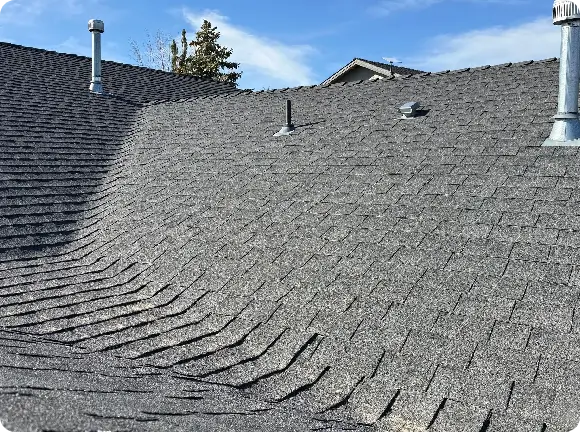
Standard roofing guidelines fail in the Mojave Desert. Extreme heat mixed with practically zero humidity accelerates the aging process much faster than you’d think. The dry climate literally bakes the essential oils right out of asphalt. In our years on Nevada roofs, we see five-year-old shingles become brittle like potato chips all the time. You can’t rely on generic warranties built for mild coastal climates.
UV Exposure and Thermal Expansion Explained
Relentless UV exposure is your roof’s worst enemy. The sun actively strips away protective layers day after day. Then comes thermal expansion. They expand during the day’s extreme heat and compress swiftly as the temperature falls at night. This daily stretching and shrinking causes severe structural fatigue. It weakens seams, cracks adhesives, and slowly tears components apart.
Average Lifespan by Roofing Material in Nevada
| Roofing Material | Expected Nevada Lifespan | Heat Resistance |
| Asphalt Shingles | 15–20 Years | Medium |
| Concrete/Clay Tile | 30–50+ Years | High |
| Metal Roofing | 40–70+ Years | High |
| Flat/Foam Roofing | 10–20 Years | Low-Medium |
Asphalt Shingles (15–20 Years)
Architectural vs. 3-Tab Shingles
Standard 3-tab shingles rarely make it past 15 years out here. They’re thin and highly vulnerable to the high winds blowing through the valley. Architectural shingles are thicker, heavier, and offer much better wind resistance. If you go with asphalt, architectural shingles are really the only way to push closer to that 20-year mark.
Concrete and Clay Tile Roofs (30–50+ Years)
The Underlayment Catch
Concrete and clay tiles look amazing and handle the sun perfectly. The physical clay can last a century. But here is the catch nobody tells you about: the hidden tar paper underneath cooks rapidly. The trapped heat turns it to dust. Because of this, you will likely need a complete tile roof underlayment replacement every 15 to 20 years, even if the tiles on top look flawless.
Metal Roofing (40–70+ Years)
Metal is a powerhouse in Nevada. It reflects solar radiation right away from the attic, which immediately lowers your summer cooling bills. Metal panels easily push past 40 years because they don’t dry out or crumble. They handle the brutal thermal expansion effortlessly.
Flat or Foam Roofing (10–20 Years)
Many southwestern homes feature flat roofs made of polyurethane foam. These need a fresh reflective UV coating every ten years to maintain their 10 to 20-year viability. Skip the coating, and they crack fast.
5 Hidden Factors That Shorten Your Roof’s Life
1. Intense Summer Heat and Sun Baking
Constant 100-plus degree days boil the waterproofing oils right out of your shingles. The material loses its flexibility and turns into a rigid, fragile shell.
2. High Winds in the Las Vegas Valley and Reno
Fierce desert gusts grab the edges of shingles and crease them. Once a shingle lifts, the factory seal breaks. It is only a matter of time before it blows off entirely.
3. Monsoon Season and Sudden Thermal Shock
Imagine a roof baking at 160 degrees. Suddenly, a cold monsoon downpour hits it. The sudden shrinking causes the materials to shatter and crack in an instant. These unexpected breaks typically need fast treatment and people are quick to seek emergency roof repair services to prevent water from gushing into their living rooms.
4. Poor Ventilation in the Attic
If your attic hits 150 degrees, trapped superheated air cooks your shingles from the inside out. Your house needs to breathe. Good ventilation acts as the lungs of your home.
5. Delayed Maintenance
Ignoring a couple of slipped tiles leads to catastrophic failure. One exposed patch of tar paper can rot the wood decking below after a single heavy storm.
Signs You Need a Roof Replacement in Nevada
Don’t wait for a brown water stain to ruin your ceiling. Look for these visual warning signs.
Curled, Cracked, or Missing Shingles
If the edges of your shingles are curling up toward the sky, they are totally sun-fried. Cracks mean the material is severely dried out.
Slipped Tiles or Exposed Underlayment
A slipped clay tile leaves the delicate tar paper completely defenseless against UV rays.
Granules in the Gutters
Asphalt shingles are coated in protective stone granules. If you find black sand filling up your gutters, your roof is losing its armor.
Rising Energy Bills
Compromised roofing ruins your home’s insulation. Running through a basic roof inspection checklist helps spot these expensive issues early, well before they destroy your drywall.
Why Trust New Roof NV?
With years of hands-on experience operating directly in the Las Vegas and Reno climates, New Roof NV provides honest, hyper-local assessments. Our mission is pure transparency. We will only recommend a full tear-off when affordable repairs just do not make financial sense anymore.
Just last month, we helped a homeowner save thousands. We identified that only their failing underlayment needed replacing, salvaging their beautiful custom clay tiles in the process. We proudly hold local licensing and top industry certifications. When you work with us, you get accurate, field-tested guidance tailored perfectly to the extreme desert environment, not generic national guesses.
How to Extend the Life of Your Nevada Roof
You can actively fight back against the harsh environment by following a few simple steps.
Schedule Annual Pre-Summer Inspections
Catching minor wear before summer heat arrives saves you a fortune. Have a professional check the flashings and sealant around vents every spring.
Prioritize Attic Ventilation
Proper airflow stops the roof from cooking from below. Installing ridge vents or solar attic fans significantly extends the life of your underlayment and asphalt shingles.
Clear Debris and Clean Gutters
Leaves and dirt hold moisture against the surface. Keeping gutters clear ensures sudden monsoon rains drain fast, completely avoiding pooling water on flat sections.
Pro Tip: Keep tree branches trimmed at least six feet away from the roofline to prevent physical scraping during high wind events.
Conclusion
Take proactive care to withstand Nevada’s severe elements. You know desert heat cuts down conventional lifespans, and that knowledge helps you make better decisions. Don’t wait for a catastrophic leak in the next major storm. Schedule a free roof health check today and give us a call to keep your property protected for the long haul.
Frequently Asked Questions
Q. How many years does a roof last in Nevada?
A. Most residential roofs survive between 15 and 50 years here. Asphalt shingles can last 15-20 years, but more durable materials such as metal or concrete tile can last almost 50 years with proper maintenance.
Q. How long do asphalt shingle roofs last in Nevada?
A. In the desert, standard 3-tab asphalt shingles last roughly 15 years. Thicker architectural shingles can push closer to 20 years, but only if the attic space is properly ventilated to prevent them from baking.
Q. What type of roof lasts the longest in Nevada?
A. Metal and concrete tile roofs offer the best longevity. Both materials regularly survive 40 to 70 years because they resist extreme UV degradation and daily thermal expansion.
Q. Does Nevada heat shorten roof life?
A. Yes, it does. Intense heat and radiation rapidly bake protective oils out of the materials. This brutal process reduces average lifespans by roughly 20% compared to milder climates.
Q. How often should a roof be replaced in Las Vegas?
A. Asphalt systems need replacement every 15 to 20 years. Tile roofs are trickier, they need new underlayment every 15 to 20 years, even when the outer clay tiles remain perfectly intact.
Q. What are the signs that a Nevada roof needs replacement?
A. Look closely for curled shingles, cracked tiles, exposed tar paper, heavy granule loss washing into gutters, and sudden, unexplained spikes in your summer cooling costs.
Q. How does the desert climate affect a roof?
A. The brutal combination of zero humidity, severe UV rays, high winds, and sudden monsoon temperature drops causes materials to dry out, snap, and become highly brittle over time.
Q. Is tile roofing better for Nevada’s climate?
A. Absolutely. Tile naturally reflects solar heat and creates a small air pocket that insulates the home. It is vastly superior to asphalt for keeping indoor temperatures down during summer.
Q. How often should I inspect my roof in Nevada?
A. Get it inspected once a year, ideally in late spring before the triple-digit heat hits. You should also do a quick visual check from your yard after any major wind or monsoon storms.
Q. Can regular roof maintenance extend its lifespan?
A. Absolutely. Fixing a cracked tile early, resealing dried-out vents, and clearing debris stops minor surface wear from rotting out the expensive tar paper underneath. Routine care easily adds years to your roof.

