Best Roofing Materials for Hot Climates: Metal vs. Tile vs. Shingles
Summary: The best roofing materials for hot climates are clay or concrete tiles and standing seam metal roofs because they reflect sunlight, release heat efficiently, and provide long-term durability. Cool asphalt shingles offer a more affordable alternative but generally retain more heat and have a shorter lifespan. Regardless of material, light colours, reflective coatings, premium underlayment, and proper attic ventilation are essential for reducing cooling costs and protecting the roof from extreme heat.
Summer heat does more than just make your living room uncomfortable; it actively destroys your roof and sends your energy bills skyrocketing. Most homeowners do not think about their roof until it springs a leak. But in a hot climate, a poorly chosen material acts like a giant radiator sitting on top of your house. It absorbs the sun’s energy all day long and traps that blistering heat inside your attic. When that happens, your air conditioning system has to work twice as hard just to maintain a livable temperature inside the house.
Let’s talk about what actually works. A lot of people assume they know which material keeps a house the coolest, but real-world experience out in the field tells a very different story. If you install the wrong product (or install the right product the wrong way) you are going to pay for it every single month with high utility costs.
The best roofing materials for hot climates are clay or concrete tiles and standing seam metal roofs. These materials offer the highest solar reflectance and thermal emittance, meaning they bounce UV rays back into the atmosphere and quickly release absorbed heat, keeping your home significantly cooler.
Today, we are going to break down the exact performance differences between metal, tile, and asphalt shingles. We will look at how they handle the heat, how long they actually last, and what makes the most financial sense for your home.
Why Your Roofing Material Matters So Much in Extreme Heat
Your roof is your home’s first line of defense against the sun. Every single day, it takes the brunt of extreme UV radiation. To understand how different materials handle this daily abuse, you need to know about two specific concepts. We promise to keep the science simple.
- Solar Reflectance: This is simply the roof’s ability to bounce sunlight back into the sky. The higher the reflectance, the less heat your roof absorbs in the first place. Think of it like wearing a white t-shirt instead of a black one on a sunny day.
- Thermal Emittance: This is the roof’s ability to release any heat it did absorb back into the outside air, rather than pushing that heat downward into your attic space.
A “Cool Roof” is a roofing system that delivers both high solar reflectance and high thermal emittance. By reflecting intense sunlight and rapidly releasing absorbed heat, cool roofs maintain lower attic temperatures, prevent thermal shock, and drastically lower summer cooling costs.
If your roofing material fails at either of these two metrics, your AC is going to struggle all summer long.
Metal Roofing: The Modern “Cool Roof” Champion?
We get this question constantly: “Won’t a metal roof turn my house into an oven?” It sounds entirely logical. If you touch the hood of a dark truck in August, it burns your hand. But roofing metal works very differently than you might think.
Yes, it gets hot in direct sunlight. However, metal has very low thermal mass. That means it cools down incredibly fast the moment the sun drops behind a cloud or sets for the evening. More importantly, it reflects radiant heat better than almost anything else on the market.
Pros of Metal Roofs in Hot Weather
- Large Solar Reflectance: Especially when treated with highly reflective, light-colored Kynar paint coatings, metal bounces the vast majority of heat away.
- Extreme Durability: Metal will never dry out, crack, or curl from UV exposure like petroleum-based products do.
- Lightweight Build: It puts very little structural stress on your home’s framing.
Cons to Consider
- Higher Upfront Cost: A premium metal system requires a larger initial investment compared to standard asphalt.
- Potential Noise: Without solid decking and good insulation, heavy summer rainstorms can be a bit noisy.
Best Metal Options for Heat
If you want maximum energy efficiency, you need to explore premium standing seam metal roofing options. We highly recommend aluminum or galvalume steel finished with specialized reflective coatings. Unlike cheaper exposed-fastener roofs, standing seam systems hide the screws. This allows the metal panels to expand and contract in the heat without tearing the weather seals apart.
Tile Roofing (Clay & Concrete): The Traditional Desert Shield
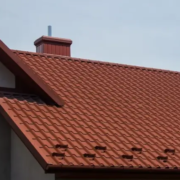
Take a drive through the American Southwest, Spain, or Mexico. You will see clay tiles everywhere. They have relied on this material for centuries, and for very good reason. Tile roofing is a heavy-duty, proven shield against extreme heat.
The Power of Thermal Mass and Airflow
Tile works completely differently than metal. It uses heavy thermal mass to absorb heat very slowly throughout the day. This prevents the heat from blasting directly into your attic. Then, it releases that stored heat slowly during the cooler night hours.
Beyond the mass, the curved shape of traditional barrel tiles creates natural ventilation channels between the tile itself and the wooden roof deck. This continuous airflow acts as a powerful insulating barrier, stopping heat transfer dead in its tracks.
Pros of Tile Roofs in Hot Climates
- Generational Lifespan: A properly maintained tile roof can easily last 50 to 100 years. It outlasts almost everything else.
- Indestructible to Heat: Clay and concrete simply do not care about the sun. They are completely impervious to rot, UV degradation, and fire.
Cons to Consider
- Huge Weight: Tile is exceptionally heavy. Your house must have the heavy-duty structural framing required to support the load safely.
- Fragility Under Foot: While they laugh at the weather, the tiles themselves can crack if someone walks on them incorrectly during routine maintenance.
When you look at the lifespan of tile compared to shingles, tile is an incredible long-term investment. While it costs more today, you might never have to replace your roof again in your lifetime.
Asphalt Shingles: Can They Survive in High Temperatures?
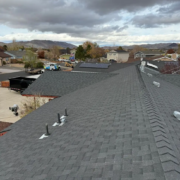
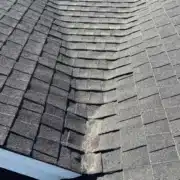
Asphalt remains the most popular roofing material in the United States by a wide margin. But let’s be honest: standard, builder-grade, black 3-tab shingles act like a giant sponge for heat. They soak up UV rays, hold onto that heat long into the night, and break down much faster in extreme climates.
However, roofing technology has evolved dramatically. You no longer have to rule out asphalt just because you live in a place with hot summers.
Standard vs. “Cool” Asphalt Shingles
Leading manufacturers have developed specialized “cool” architectural shingles. These modern shingles are manufactured with highly engineered, heat-reflecting ceramic granules embedded right into the surface. They look exactly like traditional high-end shingles, but they perform significantly better at bouncing UV rays away from your home.
Pros of Shingles in Hot Weather
- Cost-Effective: They remain the most affordable option for upfront installation by a long shot.
- Fast Installation: They are the fastest and easiest material for a crew to install, repair, or replace.
Cons to Consider
- Shorter Lifespan: Even the best shingles will degrade faster under extreme UV exposure than a metal or tile system.
- Heat Retention: They retain heat longer than metal, meaning your attic stays a bit warmer into the early evening.
Metal vs. Tile vs. Shingles: The Ultimate Heat Showdown
Need a quick breakdown? Here is exactly how the big three compare when the temperatures start rising.
| Material | Heat Resistance | Lifespan | Cost | Best For… |
| Metal | Excellent | 40 – 70 Years | High | Modern energy efficiency & quick heat release |
| Tile | Excellent | 50 – 100 Years | High | Maximum longevity & classic desert aesthetics |
| Cool Shingles | Moderate | 15 – 25 Years | Low | Budget-conscious homeowners needing an upgrade |
Crucial Factors Beyond the Material Itself
Here is a harsh truth in the roofing industry that most contractors will not tell you: Even the most expensive, highly-rated roofing material will fail prematurely if the underlying system is built poorly.
Roof Color and Reflective Coatings
Regardless of whether you choose metal, tile, or shingles, the color matters immensely. White and light colors inherently reflect more heat. A light gray architectural shingle will always outperform a dark black shingle in a hot climate, period.
The Unsung Hero: Attic Ventilation
You cannot ignore the importance of proper attic ventilation. Intake vents at your soffits pull fresh, cool air in, while exhaust vents at the peak of the roof push the trapped hot air out. Without this continuous airflow, no roofing material on earth will keep your house cool. The heat will simply back up into your living room and bake your shingles from the inside out.
High-Quality Underlayment
This is the final barrier between your roofing material and your wooden roof deck. In hot climates, upgrading to a premium synthetic underlayment provides vastly better moisture protection and superior heat resistance compared to the cheap, old-school felt paper that tears easily.
Roofer’s Insider Tip: Never try to paint an old, failing asphalt shingle roof white just to turn it into a DIY ‘cool roof’. The paint will trap escaping moisture, rot your roof deck from the inside out, and immediately void any existing manufacturer warranties!
Why Trust New Roof NV, LLC for Your Roofing Needs
At New Roof NV, LLC, we do not just read about roofing theories online, we live it every single day on the job site.
With years of hands-on experience installing roofs in the sweltering Nevada heat, our crews have seen exactly how different materials warp, fade, or thrive under extreme UV exposure. We know exactly what works in the desert and what fails within five years.
As fully certified professionals, we have a deep understanding of local building codes and complex thermal dynamics. Our goal isn’t just to nail shingles over your head so we can collect a check. Our mission is to build a high-performance, integrated system that lowers your energy bills and protects your family for decades.
We frequently tear off 15-year-old builder-grade roofs that were literally baked onto the plywood deck because of poor ventilation and cheap materials. We ensure every single roof we install (whether it’s modern metal, classic tile, or advanced cool shingles) is engineered specifically for the punishing heat of our local climate.
Frequently Asked Questions (FAQ)
Q. What is the best roofing material for a hot climate?
A. Clay tiles and standing seam metal roofs are the top overall performers. They offer superior solar reflectance and thermal emittance, meaning they reject the sun’s rays and release absorbed heat much faster than standard materials.
Q. Do metal roofs make a house hotter in the summer?
A. No, this is a very common myth. Because metal has low thermal mass, it cools down rapidly once it is out of direct sunlight. When coated with reflective paint, it actually keeps the home much cooler than a standard asphalt roof.
Q. Are tile roofs better than shingles in hot climates?
A. Yes. Tile offers exceptional natural airflow between the material and the roof deck. Furthermore, clay and concrete will not dry out, crack, curl, or degrade under intense UV radiation the way petroleum-based asphalt shingles will over time.
Q. How does roof color affect heat absorption?
A. Dark colors absorb and trap radiant heat, transferring it directly downward into your attic space. Light colors, like whites, light grays, and terracottas, reflect sunlight away from the home, which drastically reduces the thermal load on your HVAC system.
Q. Do “cool roofs” actually lower energy bills?
A. Yes. By reflecting sunlight rather than absorbing it, a high-quality cool roof can lower peak cooling demand by 10% to 15%. Over time, this translates to significant, measurable savings on your monthly air conditioning bills.
Q. Can I install solar panels on metal or tile roofs?
A. Yes. Standing seam metal roofs are excellent for solar panels because the mounting brackets clamp directly onto the seams without any drilling. Tile roofs also support solar, though the installation requires specialized mounting hooks to prevent the tiles from cracking.
Q. What is the best roof underlayment for extreme heat?
A. We always strictly recommend premium synthetic underlayment over traditional asphalt felt paper. Synthetic options do not dry out, tear, or degrade rapidly under high temperatures, providing a much stronger, longer-lasting waterproof barrier for your home.
Q. How long do asphalt shingles actually last in desert climates?
A. While standard 3-tab shingles might be heavily marketed as 20-year roofs, relentless UV exposure often cuts that expected lifespan down to 10 or 12 years. To survive desert heat, you must upgrade to architectural cool shingles specifically engineered for high temperatures.
Q. Will a radiant barrier help keep my attic cooler?
A. Yes. A radiant barrier is a highly reflective metallic material installed inside your attic, directly under the wooden roof deck. It actively blocks radiant heat from baking your insulation, making it a fantastic structural upgrade for extremely hot climates.
Q. Is roof ventilation necessary if I buy a premium metal or tile roof?
A. Yes, it is completely non-negotiable. Even the most heat-resistant roofing material on the market requires a properly balanced attic ventilation system. You must have intake and exhaust vents to cycle out stagnant, superheated air.
Final Verdict: Which Roof Is Right for You?
Choosing the right roof ultimately comes down to your budget, your home’s structural architecture, and your long-term financial goals.
Tile remains the undisputed king for longevity and that classic Southwest look. Metal is the ultimate modern choice for rapid heat release and high-tech energy efficiency. Meanwhile, newer “Cool” Asphalt Shingles offer a fantastic middle ground for homeowners who need better heat resistance on a much tighter budget.
Do not guess when it comes to a multi-thousand-dollar home improvement project. We highly encourage you to schedule a free roof inspection with our expert team today. We will evaluate your home’s structural capacity, inspect your current attic ventilation, and help you choose the perfect material to beat the summer heat for good.