
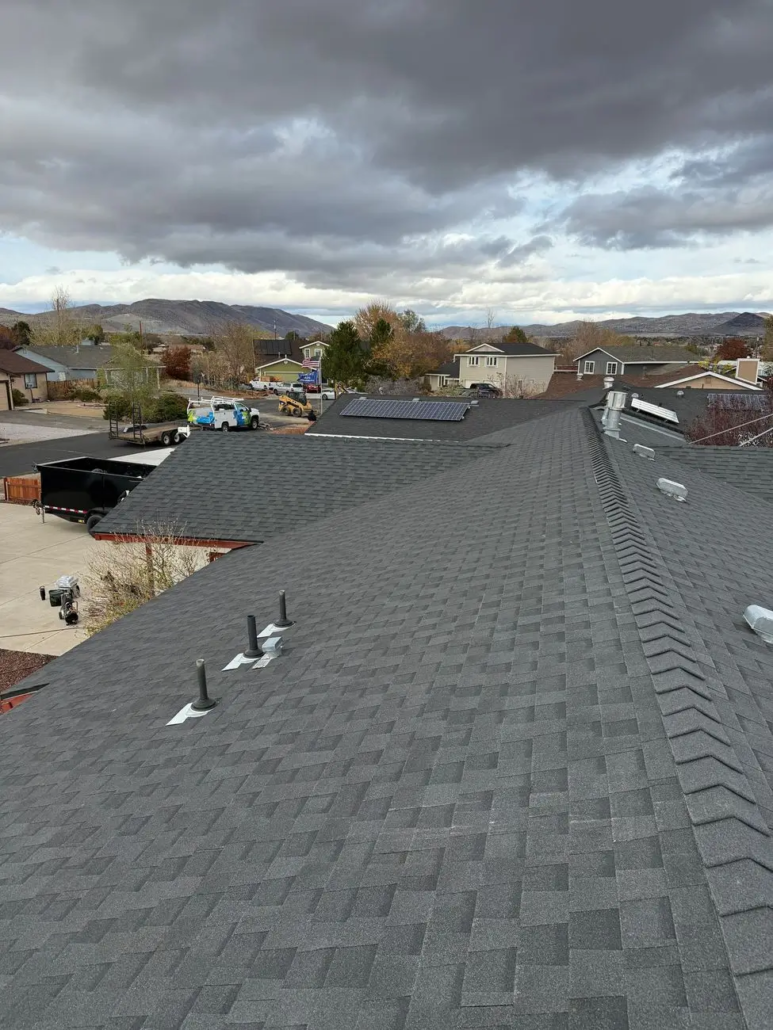
How to Tell If Your Roof Has Storm Damage
Summary: Storm damage to a roof can be difficult to spot from the ground, but common warning signs include missing or creased shingles, hail dents, granule loss, damaged flashing, and attic leaks. Homeowners should prioritize safety by inspecting from the ground with binoculars, checking the attic for water intrusion, documenting visible damage, and arranging a professional roof inspection when problems are suspected. Acting quickly can help prevent worsening structural damage, mold, and costly repairs while also providing documentation that may support an insurance claim.
When extreme weather hits, you usually hear it before you see it. The wind howls, hail batters the siding, and you’re left lying in bed wondering if your house is taking a beating. Morning rolls around, you grab your coffee, walk down the driveway, and look up. Everything seems perfectly fine.
But here is the harsh reality we see constantly in this industry: severe weather can completely wreck a roofing system in a matter of minutes, and the absolute worst destruction usually hides from view when you’re just standing in your front yard. If you ignore a storm damaged roof because it “looks okay,” you are setting yourself up for interior water damage and denied insurance claims down the road.
Most people just look for missing shingles and call it a day. The real destruction, though, happens underneath those shingles and right up in your attic.
Signs of Roof Storm Damage:
- Missing, torn, or cracked shingles
- Dented metal roof vents and exhaust pipes
- Loose or bent chimney flashing
- Heavy granule piles washing out of gutters
- Active attic leaks or damp insulation
Safety First: Can You Spot Roof Damage from the Ground?
Let me be perfectly clear: climbing a wet, slippery roof after a blowout is a terrible idea. We’ve seen too many homeowners try to play hero on a Tuesday morning with an extension ladder, only to end up in the emergency room. Your safety matters way more than eyeballing a few shingles up close.
Do a thorough ground check first. If things look questionable, you are much better off booking a professional roof inspection to keep your feet safely on solid ground.
The Binocular Method
Grab a pair of binoculars. Stand back about 20 to 30 feet in your yard and slowly scan the ridges, valleys, and edges of the roofline. See any lifted tabs? Can you spot the exposed black underlayment paper? That is immediate trouble. You should also look for anything that appears out of line or asymmetrical.
Checking the Perimeter
Walk the entire property line. Look closely at the ground where your downspouts empty out. Are you seeing a pile of gritty shingle granules? Or maybe dented metal gutters and downspouts? That points straight to heavy hail impacts, which often means the shingles above took the exact same beating.
4 Major Signs of Roof Storm Damage
If you want to know how to spot the specific signs of roof storm damage, you have to know what different weather events actually do to your materials.
1. Wind Damage (Uplift and Creases)
High winds don’t just blow things away; they create a vacuum effect that rips right through the factory sealant bonds holding your shingles down. When evaluating roof damage from wind, watch for creased shingles that actually flap when a breeze comes through.
Sometimes, the shingles drop back down and look perfectly normal from the ground. But because that tar seal is broken, rain will easily blow underneath them. Look for distinct horizontal creases right across the middle of the shingle tabs. That happens when strong wind folds them backward, snapping the fiberglass mat inside. Once a section gets compromised like this, the next bad storm will likely tear the entire section completely off.
2. Hail Damage (Bruises and Granule Loss)
Hail doesn’t necessarily crack things right away; it leaves nasty, round bruises on asphalt shingles. Unlike regular aging and sun exposure, a solid hail hit strips the protective granules off instantly, exposing the black asphalt underneath to the sun’s UV rays.
When dealing with roof damage from hail, you’re looking for small, dark circular spots. If you were to press on one of these spots, it would feel soft and spongy, like a bruised apple. Once those granules are gone, the shingle will quickly dry out, crack, and fail.
3. Water Intrusion (The Attic Inspection)
You must get up into your attic right after the weather clears. Search for daylight poking through the roof boards, wet pink insulation, or dark water stains running down the wooden rafters. Spotting a roof leak after storm chaos early is your absolute best bet to stop serious, expensive wood rot.
As our lead repair guys always say, “Interior checks are non-negotiable because water loves to travel.” A leak might start at the chimney but travel twenty feet down a rafter before finally dripping onto your living room ceiling.
4. Debris and Impact Damage
Heavy tree branches will easily punch through standard plywood decking. Check your roof vents for new dents and look closely at the metal flashing around your chimneys or skylights. If you see weird gaps, bent metal, or exposed nails that weren’t there yesterday, the storm definitely left its mark.
The Hidden Dangers of Ignoring the Damage
Handling a roof inspection after storm events isn’t just about aesthetics. A compromised roofing system is a ticking clock. Moisture gets trapped under the underlayment, leading to toxic black mold inside your walls and attic. Even worse, if you wait too long to report roof damage after a storm, your homeowner’s insurance company might deny your claim, stating that the ensuing water damage is due to your own “negligence” rather than the initial weather event.
Navigating the Aftermath: What to Do Next
If you find obvious issues, don’t panic. Follow these steps to protect your property and your wallet.
Document the Damage
Pull out your phone and take clear, time-stamped pictures of yard debris, broken shingles on the lawn, and any interior drips. Get multiple angles. If you find hail stones, put a quarter next to them and snap a picture for scale. You want undeniable proof to hand over to your insurance adjuster later.
Mitigate Further Leaks
If water is pouring into your living room, you need to get tarps up fast to protect your drywall, flooring, and furniture. Don’t wait around to schedule an emergency roof repair to seal things up before mold sets in and ruins the interior structure.
Why Trust New Roof NV for Your Storm Damage Assessment
At New Roof NV, we have spent over ten solid years fixing Nevada roofs after severe desert weather. We don’t just do a quick drive-by visual check and hand you a flyer. Our licensed inspectors physically evaluate the decking, the attic ventilation, and the shingle integrity so you get a completely honest, transparent picture of what is going on up there.
We specialize in full-service storm damage roof repair, helping you handle messy insurance claim situations with totally transparent pricing and expert documentation. Partnering with us means you get real local experts who actually care about your home’s long-term safety, rather than out-of-state storm chasers just looking to make a quick sale and leave town.
Frequently Asked Questions
Q.Should I call a roofer or my insurance company first?
A. Call a roofer first. They will document the damage, estimate repair costs, and tell you if a claim is actually necessary.
Q.How long after a storm can you claim roof damage?
A. You generally have one year from the exact date of the storm to file an insurance claim, though some specific policies might allow up to two years. Never wait until the last minute.
Q.Will insurance cover a roof leak from a storm?
A. Yes. Standard homeowner policies typically cover sudden, accidental interior water damage caused by extreme wind, hail, or fallen trees tearing open the roof.
Q.Can you tell if a roof has wind damage from the ground?
A. Absolutely. With a good pair of binoculars, you can easily spot lifted, creased, or completely missing shingles along the roof edges and ridges.
Q.What does storm damage on a roof look like?
A. It usually looks like bald black spots on the shingles, dented metal exhaust vents, torn-off shingle sections, and cracked or heavily bent metal flashing around chimneys.
Q.How do you know if the wind damaged your roof?
A. Look for distinct horizontal creases right across the middle of the shingle tabs. That happens when strong wind folds them backward, breaking the inner matting.
Q.How to tell if hail damaged your roof?
A. Look for circular, dark soft spots on the shingles and heavy piles of sandy granules washing out into your gutters and downspouts.
Q.What to do if your roof is damaged by a storm?
A. Take photos of everything right away, toss a heavy tarp over any active leaks inside the house, and call a local professional for a real assessment.
Q.Are missing shingles a big deal?
A. Yes, it is a massive deal. Even just one missing shingle leaves the underlying paper completely exposed to the rain, leading straight to wood rot and interior ceiling leaks.
Q.Does granule loss mean I need roof repair after storm weather?
A. Not necessarily every time, but a sudden, massive loss of granules means the shingle has lost its main layer of UV protection and needs a professional evaluation before it cracks entirely.
Conclusion
Taking fast action after wild weather protects your biggest investment. Whether you spot missing tabs from the driveway or find damp insulation in the attic, acting quickly and getting a seasoned expert on-site remains your best defense against massive, out-of-pocket repair bills.

