
Your roof truly gets to earn its keep when it braves hailstones, especially if they are the size of rocks (though hailstones can vary by size). Hailstorms leave a distinct kind of damage to your roof depending on its material, where hailstones act like projectiles from the sky, hurled with a force that can leave it bruised, dented, cracked, or even broken. Different materials react differently to hail and may therefore show different kinds of damage. If your area in Reno or the surrounding neighborhoods just experienced a hailstorm, it is critical that you get your roof professionally inspected.
New Roof NV carries more than 25 years of experience attending to hail-damaged roofs in Reno, NV, and the surrounding neighborhoods. Call us roof doctors the way we inspect and diagnose your roof’s condition, especially if it is impacted by hail. We know how hail can bruise asphalt shingles, loosen protective granules, crack roof tiles, and damage exposed components without always creating an immediate roof leak. A professional inspection from New Roof NV can document the impact pattern, determine whether roofing materials have suffered functional or cosmetic damage and identify whether localized repair or more extensive roofing work is appropriate.
What Does Hail Damage Look Like on a Roof?
Follow a manual added link
Hail Damage on Asphalt Shingles
Asphalt shingles may be peculiarly symptomatic of hail damage in the form of bruises, missing granules, exposed asphalt, cracks, impact marks, fractured mat, and irregular impact patterns. However, granule loss alone is not a mark of hail damage as shingles can lose granules due to aging and normal wear. Professional roof inspectors from New Roof NV will know how to look for impact damage and ascertain which shingles are affected by hail vs which show signs of normal wear or damage sustained from other events.
Follow a manual added link
Hail Damage on Tile Roofs
Hail damage on tile roofs can be subtle: hairline cracks, chipped edges, spalling (an area where the glaze or surface flakes off). It is easy to miss or dismiss the damage sustained by tile roofs because they do not show obvious bruising signs as shown by shingle roofs. While some tile damage can be cosmetic, some can be functional, leading to the tile’s inability to shed water, which results in leaks developing months later. Whether tile damage is covered by your insurance depends on your policy’s wind/hail provision, your roof’s age and condition, and how well the damage was documented close to the storm’s date. This is why it is important to schedule a hailstorm damage inspection soon after a hailstorm was reported in your area.
Follow a manual added link
Hail Damage on Metal Roofs
Metal is malleable and undergoes a change in shape when put under stress. That said, there are two types of hail damage metal roofs can show: denting and puncturing. Denting occurs when there are marks left by hailstones on roofs which may appear unsightly to certain property owners. Dents are primarily a cosmetic issue and do not cause the roof to fail, obviating the need for structural fixing. Puncturing, on the other hand, is a much more serious issue caused by large hailstones. When metal roofs are punctured, there are gaps left in the roof that can lead to water intrusion if left unaddressed. Larger punctures can cause the entire roof to fail, necessitating the need for an urgent roof repair or replacement. Other kinds of damage sustained by roofs in the aftermath of a hailstorm include coating damage, seam damage, and impacts sustained by flashing.
Follow a manual added link
Hail Damage to Roof Accessories
Hail can damage roof accessories such as vents, skylights, flashing, gutters, downspouts, ridge components and chimneys. Damaged components may develop gaps or cracks, become loose or misaligned, or affect overall roof performance and ventilation. Addressing these issues restores your roof’s functionality back to normal while reducing the likelihood of future hail damage.
Cosmetic vs. Functional Hail Damage
Functional hail damage relates to how a roof performs, such as its ability to shed water or expected life service, whereas cosmetic damage corresponds to how a roof looks and has little to no bearing on its functionality. In professional roofing assessments, functional damage is about performance, not simply appearance. The distinction cannot be born from a dent, granule loss, or a dark spot alone. The material, pattern, and condition, all matter.
Cosmetic Hail Damage
Cosmetic or aesthetic change implies a change in the appearance of the roof without a corresponding impairment of its functionality. Simply put, the roofing material being inspected may look unsightly but if it continues to shield the property owner from water intrusion or attack from the elements, then it is merely a cosmetic issue.
Functional Hail Damage
A functional assessment may look for fractures, punctures, tears, openings, or damage at the seams, flashing, fasteners, and other details that matter to weather resistance. Functionality also considers other elements of wear: installation, foot traffic, weathering, and other mechanical damage that are easy to confuse for hail. A responsible functional hail damage looks at what happened to the roofing material and whether that effect changes the roof’s ability to do its job of shielding the property owners.
The distinction between cosmetic and functional damage should be determined after a thorough inspection rather than through a photograph or impact mark. There are some signs that can be confused for functional hail damage, such as:
- Granule loss: This can occur for reasons other than hail damage.
- A dent in the metal: A dent confirms that something struck the surface, but its presence alone does not prove that the roof has lost functionality.
- Dark or exposed-looking spots on shingles: These can result from weathering, manufacturing variations, foot traffic, or other mechanical effects rather than hail impact alone.
Signs Your Reno Roof May Have Hail Damage
granules collecting in gutters
dark or bruised spots on shingles
cracked or broken tiles
dented roof vents or flashing
dented gutters or downspouts
new roof leak after a storm
impact marks on metal components
damaged skylight components
roofing debris around the property
new interior water stains
Do you notice any of these signs in your roof but you are not sure whether they emanated after the last hailstorm? It is time to get your roof professionally inspected and get an expert opinion on your roof from New Roof NV.
Why Hail Damage Isn’t Always Visible From the Ground
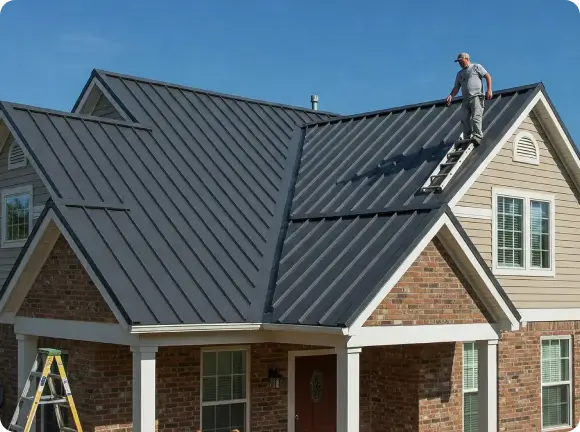
One reason why hail damage is often missed before it manifests as a leak in the roof is because rarely punches holes straight through a ceiling. Instead, hail is notorious for bruising shingles, loosening protective granules, and weakening roofing materials. Different roofing materials react differently to hail, where metal roofs may develop dents and tiles may get cracked or get displaced.
Most property owners miss hail damage as it is difficult to inspect from the ground. Since property owners cannot climb roofs immediately after a hailstorm, and we advise them not to, hail damage goes unnoticed until leaks develop.
Furthermore, hail damage looks minor when perceived from the ground. Granule loss or bruising on shingles are not noticeable when checking for signs of a damaged roof, leading to these issues worsening over time and contributing to roof leaks. Most hailstorms are brief and when they end, property owners assume that everything is fine since no leaks developed.
Property owners must understand that hail damage may be imperceptible, especially when checked from the ground, but that does not make it non-existent. The hail-damaged shingles are much more vulnerable to the impact of the elements, expanding and contracting under their influence until they crack. These cracks act as doorways for water to enter, leading to leaks which develop over time. By the time these leaks appear, property owners may not even relate them with a hailstorm in the past. Knowing how hail damage is often missed empowers you as a property owner to schedule a roof inspection right after a storm.
Hailstorms in Reno and Northern Nevada
Reno and Northern Nevada are often struck by the damaging impacts of hail and thunderstorms. Most recently, as of August 13, 2026, a thunderstorm was reported in parts of Western Nevada affecting Washoe, Lyon, and Storey counties that brought with itself flash floods, strong winds, and large hail. Here, it must be clarified that not every storm in Reno and Northern Nevada is accompanied by hail, but hail sure is a common occurrence in the region and Reno roofs are often subjected to their impact.
How Hail Can Affect Different Roofing Materials
Reno property owners are no strangers to hailstorms in the region. While all roofing materials are susceptible to hail damage, the extent and scope of the damage, however, depends on what the roof is made of. Understanding how hail affects different roofing types helps you identify problems early and determine when professional assessment may be necessary.
Follow a manual added link
Asphalt Shingles
Asphalt shingles are the most vulnerable to hail impact. When hailstones strike asphalt shingles, they can dislodge the protective granules coating them, leading to dark granules accumulating in the downspouts and the gutters. More severe hailstone impact can crack or bruise the shingles, creating an entry for water intrusion. Even moderate hail can significantly shorten the lifespan of asphalt shingles, making roof replacement necessary years earlier than expected. If your shingles have been constantly exposed to the wearing effects of the elements over the years, they will be much more prone to getting damaged under hail’s impact. Three-tab shingles generally sustain more damage than architectural shingles due to their thinner profile and single layered construction.
Follow a manual added link
Concrete and Clay Tile
Concrete and clay tile is durable, but it is also brittle. A strong hailstone can crack a tile, chip its edge, or fracture it in a way that is hard to spot from below. Broken tiles leave gaps that let water reach the underlayment. We inspect the roof tile by tile, then replace damaged pieces and check the surrounding ones for hidden stress.
Follow a manual added link
Metal Roofing
Metal roofing handles hail better than most materials, but it is not immune. Impacts can leave dents and chip the protective coating, which opens the door to rust over time. Seams may loosen or shift, and exposed accessories like vents and flashing are easy to damage. We look at all of these points to find problems before they turn into leaks.
Our Hail Damage Roof Inspection Process
01
Review the Storm Event
Hailstorm passed? Now’s the time to don your detective’s hat and inspect for hailstorm damage on your roof from the safety of the ground. First, recall exactly when the hailstorm occurred as well as its geographical location. Check the local news reports to be sure. Next, try to remember if any leaks appeared afterwards and whether your vehicles or exterior roof components were affected.
02
Inspect the Whole Roofing System
This is the time to call the pros and get your roof inspected for any visible or not-so-visible signs of roof damage. Our professional inspectors from New Roof NV can check each accessible roof slope, valleys, shingles/tile/panels, flashing vents, roof penetrations and gutters to check for signs of damage under the hail’s impact.
03
Map Impact Patterns
Next, our professional inspectors will document impact distribution throughout the roof to ascertain the extent and scope of the damage. Instead of relying on one isolated mark, our inspectors will scan the entirety of the roof to map the damage and present its full picture for your awareness.
04
Photograph Findings
We will not just stop at assessing and mapping the damage; we will also document it so that your insurance claims adjuster can get the full picture of the extent of the damage and whether or not it is covered under your insurance policy. We will take photographs of the roof in its entirety, the slope locations that have been the most impacted, close-ups of the damaged regions and the affected materials as well as related exterior components. These photo-documented inspection findings will also serve as evidence of the improvement made to the roof before any major repair/replacement work is performed.
05
Separate Hail Damage From Existing Wear
Our seasoned pros who have spent years documenting hail signs on Reno roofs can tell whether a damage sign on a roof is attributable to hail impact or some other factor. What other factor? Things like aging, UV exposure, ordinary granule loss, previous damage, previous repairs, or new installations. It’s very difficult for an untrained eye to delineate hail damage from other forms of damage.
06
Determine Repairability
After inspecting the whole roof and its localized areas, we will determine repairability of the affected area in comparison with the surrounding material. Your roof’s repairability will further hinge on material availability, the age and condition of your roof—whether it can sustain a few localized repairs or is in need of a complete tear-off—as well as the condition of the underlayment and the decking.
07
Explain the Recommended Repair Scope
After a thorough and comprehensive analysis of your roof, we will explain its potential outcomes: whether or not your roof needs immediate roofing work, localized repair, replacement of individual materials, larger section repair, or full replacement justified by the condition and the extent of the damage.
Hail Damage vs. Normal Roof Wear
| Potential Hail Indicators | Normal/Age-Related Conditions |
|---|---|
| Concentrated impact marks | Gradual surface deterioration |
| Bruising associated with impacts | General granule shedding |
| Fresh fractured material | Long-term brittle shingles |
| Impact cracks in tile | Age-related cracking |
| Storm-related metal impacts | Older cosmetic dents or wear |
Why Choose New Roof NV for Hail Damage Roof Repair?
25+ years of roofing expertise
Experience working in Reno, Nevada
Experience working with tile, metal, and asphalt shingles
Residential and commercial roofing expertise
Roof repair, replacement, and inspections available
Locally-owned and community-focused
Nevada Contractor License #0086415
Frequently Asked Questions
Can Hail Damage a Roof Without Causing an Immediate Leak?
Some hail damage can affect roofing materials before water intrusion is visible indoors. If your roof has fractured shingles, weakened tiles, compromised flashing or protective granule loss, then it becomes especially susceptible to developing a leak without necessarily producing an immediate ceiling stain.
How to check if your roof is leaking after a hailstorm?
If water intrusion appears after a hailstorm, check for:
- cracked shingles
- broken tile
- damaged flashing
- roof penetrations
- skylights
- impact punctures
- related wind damage
Hailstorms frequently occur with wind and rain, which means that several types of damage can occur at the same time due to the same weather event.
Can Hail-Damaged Shingles Be Repaired?
Localized repair may be possible when:
- damage affects a limited number of shingles
- surrounding shingles remain serviceable
- compatible materials are available
- underlying roofing remains sound
- the repair can restore proper protection
Material age, brittleness and surrounding condition matter for shingles to be replaced as individual shingles cannot be replaced on their own.
Does Hail Size Determine Roof Damage?
Hail size is just one factor that can cause roof damage. Roof response also depends on additional factors such as:
- hail density
- wind speed/direction
- roof material
- material age
- roof slope
- impact angle
- substrate condition
What Should You Do After a Hailstorm?
Do not attempt to climb the roof right after a hailstorm as doing so can be risky. Wet, steep, or damaged roofs are big factors towards people’s slip and fall. Inspect your roof’s condition with your feet firmly planted on the grass. Check the gutters, roofing debris, visible tile damage and missing materials. Next, go inside your house and check for any ceiling stains, leaks, and attic moisture. Once you’re checked the signs of roof damage yourself, photograph visible damage from the ground such as roof exterior, gutters and downspouts, and interior water damage. Finally, after all is said and done, schedule a professional roof inspection and ask for clear documentation of the roofing conditions.